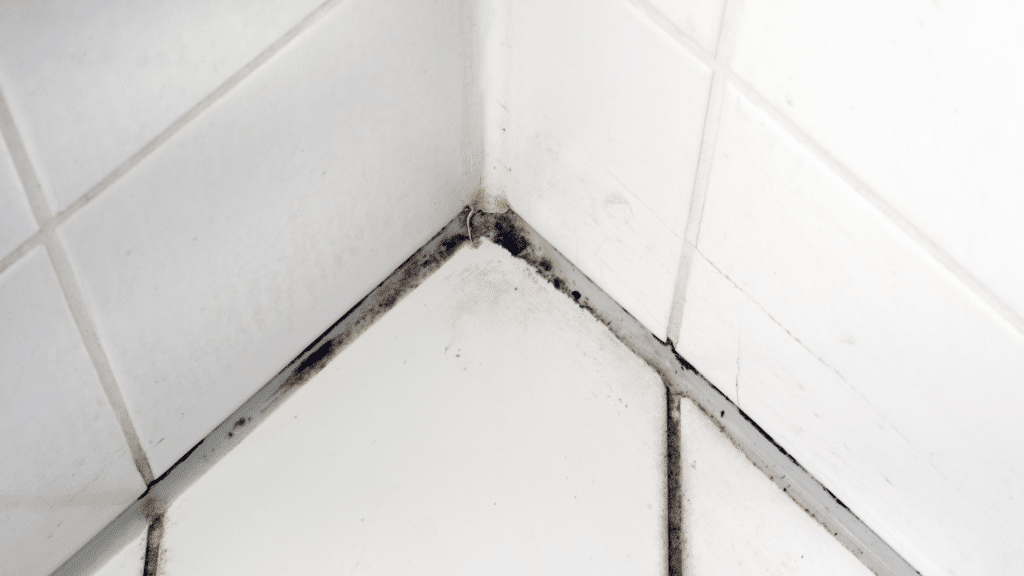
One of the primary reasons for the blackening of silicone sealant is the growth of mold and mildew. Moisture and organic matter provide the ideal conditions for these microorganisms to thrive. Over time, they can colonize the surface of the sealant, leading to unsightly black spots.
Exposure to Environmental Factors
Silicone sealants exposed to external elements such as sunlight, pollution, and atmospheric contaminants can undergo degradation. Ultraviolet (UV) radiation, in particular, can cause the sealant to break down and lose its original properties, resulting in discoloration.
Chemical Reactions
Chemical exposure from cleaning agents, solvents, or other substances can react with the silicone sealant, causing it to change color. Some chemicals may penetrate the sealant and alter its composition, leading to discoloration over time.
Incomplete Curing
Improper curing of silicone sealant can also contribute to blackening. If the sealant does not cure fully or is exposed to moisture before curing completely, it may develop dark patches or discoloration.
How to Prevent Silicone Sealant from Turning Black
Proper Surface Preparation
Ensure that the surface to be sealed is clean, dry, and free from contaminants before applying silicone sealant. Removing any existing mold, mildew, or residue will help prevent their growth under the sealant.
Choose High-Quality Sealants
Opt for premium-quality silicone sealants that are formulated to resist mold, mildew, and UV degradation. These specialized sealants often contain additives that enhance their durability and longevity.
Regular Maintenance
Regular inspection and maintenance of sealed surfaces can help detect and address any signs of mold or discoloration early on. Prompt cleaning and treatment with mold-resistant products can prevent blackening and preserve the appearance of the sealant.
Use compatible Cleaning Products
When cleaning silicone-sealed surfaces, avoid harsh chemicals that may react with the sealant. Opt for mild, non-abrasive cleaners that are safe for use on silicone.
Proper Application and Curing
Follow the manufacturer’s instructions carefully when applying silicone sealant. Ensure adequate curing time and avoid exposing the sealant to moisture or harsh conditions during the curing process.
In Conclusion
While the blackening of silicone sealant can be a common occurrence, understanding its causes and taking preventive measures can help maintain the integrity and aesthetics of sealed surfaces. By addressing factors such as mold growth, environmental exposure, and improper application, users can prolong the lifespan of silicone sealants and ensure optimal performance. Choosing high-quality sealants and adopting proper maintenance practices are key steps in preventing black discoloration and preserving the appearance of silicone-sealed surfaces for years to come.